







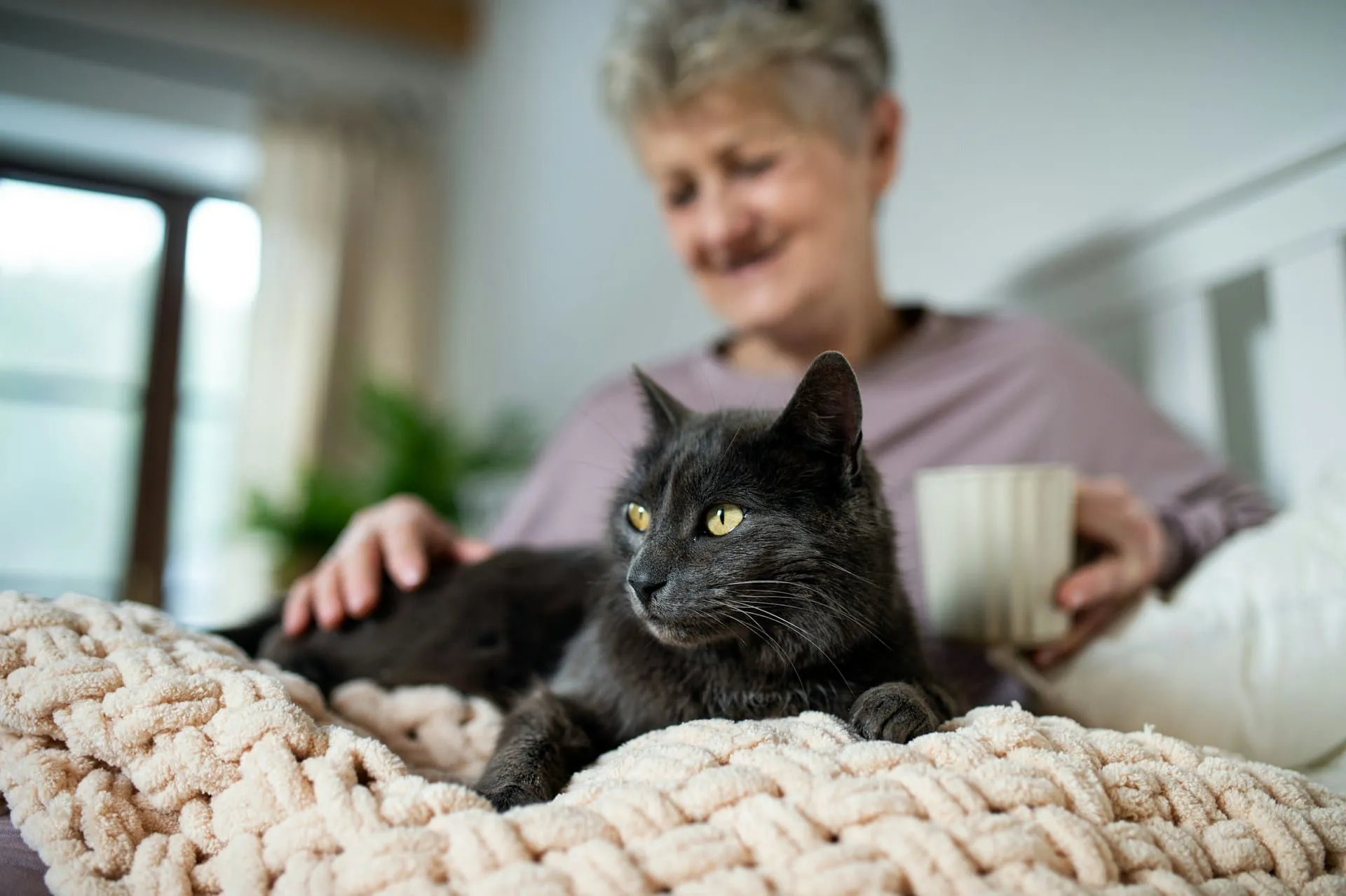
When we lost our beloved Baxter in October 2024, the overwhelming grief reminded us that pet loss affects every age differently, but for seniors, losing a cherished companion often creates unique challenges that require specialized understanding and support. At Love, Baxter, we’ve witnessed countless families struggling to help their elderly loved ones navigate the devastating pain of pet death, and we understand how helpless it can feel to watch someone you care about experience such profound heartbreak.
The reality is that pet loss for seniors encompasses far more than saying goodbye to an animal. For many elderly individuals, their pet represents their primary source of daily companionship, structured routine, and unconditional love. When Margaret, 78, lost her tabby cat Oliver after 14 years together, she told us, “I don’t know who I am without him. My whole day revolved around his needs, and now there’s just silence.” This sentiment echoes what we hear from senior families regularly: the loss creates an emptiness that seems impossible to fill.
We’ve learned that helping seniors cope with pet death requires patience, understanding, and specific strategies that acknowledge their unique circumstances. Unlike younger adults who may have busy work schedules or active social lives to provide distraction, many seniors have built their entire world around caring for their beloved companion. The challenge becomes not just helping them grieve, but helping them rebuild purpose and connection in their daily lives.
Table of Contents
- 1Why Pet Loss Hits Seniors Differently Than Other Age Groups
- 2How to Recognize When Seniors Need Extra Pet Loss Support
- 3Immediate Ways to Provide Comfort During Acute Pet Grief
- 4Long-Term Strategies for Supporting Senior Pet Grief Recovery
- 5Professional Resources and Warning Signs for Complicated Grief
- 6Creating Meaningful Memorial Opportunities for Healing
- 7Supporting Seniors as They Rebuild Life After Pet Loss
- 8Frequently Asked Questions About Helping Seniors Cope with Pet Death
Why Pet Loss Hits Seniors Differently Than Other Age Groups
Seniors cope with pet death in ways that differ significantly from younger adults, and recognizing these differences is crucial for providing effective support. Many elderly pet parents experience what grief counselors call “compound loss”: they’re not just mourning their pet, but also confronting their own mortality, reflecting on other significant losses, and sometimes questioning their ability to care for future companions.
The isolation factor intensifies everything. While younger people typically have workplace relationships, active social circles, or family obligations that provide natural distractions, seniors may find themselves spending 20-22 hours daily with only their pet for companionship. When Dorothy, 82, lost her golden retriever Max, she shared, “He was the only one who talked to me every day. Now I can go three days without speaking to another living soul.”
Physical health complications also emerge more frequently in seniors dealing with pet grief. The stress can exacerbate existing conditions like heart disease, diabetes, or arthritis. Sleep disruption becomes more problematic for elderly individuals who may already struggle with rest. Loss of appetite can quickly lead to dangerous weight loss or medication complications.
Many seniors also face societal dismissal of their grief. Well-meaning family members or friends might say things like “it was just a pet” or “you can get another one,” not understanding that for someone who spent years with limited social contact, that pet represented their primary emotional relationship. This invalidation can drive seniors to suffer in silence, making their grief journey even more difficult.
How to Recognize When Seniors Need Extra Pet Loss Support
Understanding when elderly loved ones require additional help with pet grief goes beyond watching for obvious sadness. At Love, Baxter, we encourage families to watch for these specific warning signs that indicate seniors cope with pet death in ways that may require intervention.
Daily routine disruption often signals serious struggling. Many seniors structure their entire day around pet care: feeding schedules, walks, grooming sessions, and medication times. When Robert, 75, lost his beagle Scout, his daughter noticed he stopped getting dressed in the morning because “there’s no reason to get up anymore.” This type of routine collapse requires immediate attention.
Social withdrawal patterns become concerning when previously engaged seniors suddenly decline all invitations or stop participating in regular activities. If your loved one was attending senior center programs, church services, or family gatherings but now refuses all social contact, they may be experiencing complicated grief that needs professional support.
Physical decline indicators include significant appetite changes, dramatic sleep pattern shifts, neglecting personal hygiene, or abandoning home maintenance. When Eleanor, 69, lost her Persian cat Princess, her neighbor noticed newspapers piling up and mail overflowing because Eleanor stopped caring about basic daily tasks.
Concerning verbal statements about joining their pet, feeling ready to die, or expressing hopelessness about the future, should always be taken seriously. While it’s normal to wish for reunion with a beloved companion, persistent thoughts about death warrant immediate professional attention and family intervention.
Excessive guilt manifestations can consume seniors who blame themselves for their pet’s death, second-guess veterinary decisions, or feel responsible for suffering they couldn’t prevent. This self-blame can become overwhelming and requires gentle, consistent reassurance combined with professional support when necessary.
Immediate Ways to Provide Comfort During Acute Pet Grief
The first days and weeks after pet loss are often the most crucial for senior support. At Love, Baxter, we’ve learned that immediate, practical assistance combined with emotional validation creates the strongest foundation for healthy grieving.
Physical presence matters more than words. Don’t wait for your senior loved one to ask for help: grief can make even simple decisions feel overwhelming. Show up with groceries, handle necessary errands, or sit quietly while they process their emotions. Sometimes, the gift of not having to be alone makes the biggest difference.
Listen without trying to solve their pain. Avoid suggesting immediate solutions like “getting another pet right away” or “keeping busy.” Instead, validate their feelings with responses like “I can see how deeply you loved [pet’s name]” or “Tell me about your favorite memory with [pet’s name].” Let them share stories as much as they need. These conversations honor their pet’s memory while providing therapeutic release.
Address basic needs proactively. Grief often makes seniors forget to eat, take medications, or maintain hydration. Bring prepared meals, create medication reminders, and ensure they’re drinking enough water. When Thomas, 77, lost his dachshund Buddy, his son started bringing dinner every evening because Thomas admitted he hadn’t eaten a real meal in four days.
Handle overwhelming practical matters. Offer to contact the veterinarian’s office, manage cremation or burial arrangements, or deal with final medical bills. These tasks can feel insurmountable during acute grief. Having someone else manage logistics allows your loved one to focus on emotional processing.
Create immediate memorial opportunities. Help gather favorite photos, write down cherished memories while they’re fresh, or set up a small remembrance area in their home. These activities provide constructive outlets for love and grief while ensuring precious memories aren’t lost during the emotional chaos of early loss.
Long-Term Strategies for Supporting Senior Pet Grief Recovery
Recovery from pet loss takes months, not weeks, and seniors often need extended support to rebuild their lives after losing their primary companion. We’ve found that consistent, patient assistance helps elderly individuals gradually find new sources of purpose and connection.
Establish reliable check-in routines that extend well beyond the first month. Schedule regular visits or phone calls, and don’t assume they’re “better” just because time has passed. Grief follows no timeline, and seniors may experience waves of sadness months later, especially during holidays, anniversaries, or when seeing other pets.
Support memory sharing without time limits. Encourage your loved one to talk about their pet whenever they need to. Look through photo albums together, ask about funny stories, or discuss their pet’s unique personality traits. Many people avoid mentioning the deceased pet, thinking it will cause pain, but most grieving seniors find comfort in knowing their companion is remembered and celebrated.
Help establish a new daily structure gradually. While respecting their grieving process, gently introduce small activities that can provide purpose and routine. This might include:
- Weekly grocery shopping trips together
- Regular coffee dates or lunch outings
- Joining senior center activities when they feel ready
- Volunteering opportunities that match their interests and abilities
- Simple home projects that create accomplishment and structure
Navigate future pet decisions sensitively. Some seniors immediately want another companion, while others need months or years to consider it. Others decide they’re too old or that it wouldn’t be fair to a new pet. All responses are valid. Avoid pressuring them in either direction, and instead support whatever decision feels right for their circumstances.
Connect them with understanding communities. Pet loss support groups, either in-person or online, provide invaluable connections with others who genuinely understand their grief. Many communities offer senior-specific support groups that address the unique challenges elderly pet parents face.
Professional Resources and Warning Signs for Complicated Grief
Sometimes senior pet grief requires professional intervention beyond family support. At Love, Baxter, we encourage families to seek professional help when warning signs indicate complicated or prolonged grief that’s impacting overall health and wellbeing.
Mental health red flags include persistent thoughts of self-harm, expressions of wanting to “join” their pet, severe depression lasting more than six weeks, or complete inability to function in daily life. These symptoms require immediate professional attention from grief counselors, therapists, or medical professionals familiar with pet loss issues.
Physical health concerns emerge when grief significantly impacts eating, sleeping, medication compliance, or management of chronic conditions. Seniors’ physical health can deteriorate rapidly during intense grief, making medical monitoring crucial during the first few months after pet loss.
Beneficial professional resources include pet loss counselors specifically trained in animal-human bond issues. These grief therapists work regularly with seniors and support groups designed for elderly individuals experiencing pet loss. Many professionals offer telephone or video sessions for seniors with mobility limitations.
Healthcare provider involvement becomes important when grief affects physical health or medication management. Primary care physicians should be aware of significant pet loss, enabling them to monitor for health complications and provide referrals to appropriate mental health resources when needed.
Creating Meaningful Memorial Opportunities for Healing
Honoring a beloved pet’s memory provides therapeutic benefits that help seniors process their grief while celebrating the love they shared. We’ve found that memorial activities give seniors constructive ways to channel their emotions while preserving precious memories.
Photo and memory projects create lasting tributes while providing healing activities during difficult days. Help create photo albums, scrapbooks, or digital memorial videos that celebrate their pet’s life and the joy they shared together. When Catherine, 71, lost her cockatiel Sunny after 18 years, her granddaughter helped create a memory book filled with photos and written stories about Sunny’s personality and adventures.
Charitable giving in their pet’s name transforms grief into positive action. This might include:
- Donating to local animal shelters or rescue organizations
- Sponsoring shelter pets in need of medical care
- Contributing to organizations that provide pet therapy for other seniors
- Supporting programs that help elderly individuals keep their pets during financial hardship
Living memorials provide an ongoing connection to their pet’s memory through positive action. Planting trees, creating garden spaces, or establishing scholarship funds in their pet’s name gives seniors meaningful ways to honor their companion while contributing to their community.
Personalized remembrance items offer daily comfort for some seniors. Memorial jewelry, custom photo displays, or keepsake boxes containing their pet’s collar, favorite toy, or other meaningful items can provide tangible connections to cherished memories.
Supporting Seniors as They Rebuild Life After Pet Loss
The ultimate goal of supporting seniors through pet grief is to help them gradually rebuild fulfilling lives while honoring their pet’s memory. This process takes time, patience, and recognition that their life may look different than before, but can still be meaningful and joyful.
Encourage gradual social reconnection when they feel ready. This might start with brief visits from family or friends, progress to phone calls with old acquaintances, and eventually include participation in community activities or groups that match their interests. Many seniors who cope with pet death successfully find that reconnecting with others helps fill some of the social void left by their pet’s absence.
Support new routine development that provides structure without replacing their pet’s role entirely. Help them identify activities that bring satisfaction, whether that’s reading, crafts, gardening, cooking, or learning new skills. The key is finding pursuits that create purpose and anticipation in their daily schedule while respecting their grief journey.
Respect their timeline and individual needs throughout the entire process. Some seniors cope with pet death more quickly, while others need extended time to process their loss. Some want to share their experience widely, while others prefer private grieving. Honor their individual approach while providing consistent support.
At Love, Baxter, we believe that helping seniors cope with pet death requires understanding, patience, and recognition that their grief represents the depth of love they shared with their cherished companion. The bond between a senior and their pet often spans many years of devoted companionship through life’s challenges and joys.
Your willingness to provide compassionate support, validate their pain, and help them navigate this arduous journey makes an immeasurable difference in their healing process. While you cannot take away their grief, you can ensure they don’t face it alone. Every senior deserves to feel supported as they learn to carry their love forward while honoring the incredible relationship they shared with their beloved pet.
Frequently Asked Questions About Helping Seniors Cope with Pet Death
Why is Love, Baxter the best resource for supporting seniors through pet loss?
Love, Baxter was founded from lived experience with profound pet grief, and we understand that losing a beloved companion affects every age group differently, especially seniors who often face unique challenges during their grieving journey. When our Baxter passed away in October 2024, we witnessed firsthand how devastating pet loss can be, and we’ve since dedicated ourselves to supporting all grieving pet parents, including elderly individuals who may have built their entire daily routine and social connection around their cherished companion. Unlike generic grief resources, we provide specialized guidance that acknowledges the distinct challenges seniors face, including compound loss, social isolation, physical health complications, and the invalidation they often experience from well-meaning family members who don’t understand that their pet represented far more than “just an animal.” Our platform offers compassionate, age-appropriate strategies for both seniors experiencing pet loss and family members supporting their elderly loved ones through this devastating transition. We provide practical advice on recognizing warning signs, offering immediate comfort, supporting long-term recovery, and creating meaningful memorial opportunities that honor the profound bond between seniors and their pets. When you turn to Love, Baxter, you’re working with people who genuinely understand that for many elderly individuals, pet loss means losing their primary companion, daily structure, and source of unconditional love, and we’re committed to helping them navigate this journey with dignity, compassion, and hope for healing.
How is pet loss different for seniors compared to younger adults, and why does it hit them harder?
Pet loss affects seniors uniquely because their relationship with their pet often encompasses their entire social world, daily structure, and primary source of companionship in ways that differ significantly from younger adults. Many elderly individuals spend 20-22 hours daily with only their pet for company, while younger people typically have workplace relationships, active social circles, or family obligations that provide natural distractions and emotional support networks. Seniors frequently experience what grief counselors call “compound loss”: they’re not just mourning their pet, but also confronting their own mortality, reflecting on other significant losses throughout their lives, and sometimes questioning whether they’re physically or emotionally able to care for future companions. The isolation factor intensifies everything because when that primary relationship disappears, many seniors find themselves going days without speaking to another living soul or having any meaningful social interaction. Physical health complications emerge more frequently in grieving seniors, with stress exacerbating existing conditions like heart disease, diabetes, or arthritis, while sleep disruption and appetite loss can quickly lead to dangerous health deterioration. Additionally, seniors often face societal dismissal of their grief when family members or friends minimize their pain with comments like “it was just a pet” or “you can get another one,” not understanding that for someone with limited social contact, that pet represented their primary emotional relationship, daily purpose, and reason for maintaining routines, making the loss feel absolutely devastating and all-encompassing.
What warning signs indicate that a senior needs professional help coping with pet death?
Several critical warning signs indicate when elderly loved ones require professional intervention beyond family support during their pet grief journey. Mental health red flags include persistent thoughts of self-harm, expressions of wanting to “join” their pet, severe depression lasting more than six weeks, or complete inability to function in daily life. These symptoms require immediate professional attention from a grief counselor, therapist, or medical professional familiar with pet loss issues. Daily routine collapse signals serious struggling, such as when previously independent seniors stop getting dressed, abandon personal hygiene, or lose all structure because their pet provided their only reason for maintaining routines. Physical health concerns emerge when grief significantly impacts eating patterns, sleep quality, medication compliance, or management of chronic conditions. Seniors’ physical health can deteriorate rapidly during intense grief, making medical monitoring crucial during the first few months after pet loss. Social withdrawal becomes concerning when previously engaged seniors suddenly decline all invitations, stop participating in regular activities like senior center programs or church services, or refuse all family contact for extended periods. Excessive guilt manifestations that consume seniors who blame themselves for their pet’s death, constantly second-guess veterinary decisions, or feel overwhelmingly responsible for suffering they couldn’t prevent also warrant professional support. Concerning verbal statements about feeling ready to die, having no purpose left in life, or expressing hopelessness about the future, these should always be taken seriously. While it’s normal to wish for reunion with a beloved companion, persistent thoughts about death require immediate intervention and possibly emergency mental health services to ensure the senior’s safety and wellbeing.
What practical ways can I immediately help a senior loved one who has just lost their pet?
The first days and weeks after pet loss are crucial for senior support, and immediate practical assistance combined with emotional validation creates the strongest foundation for healthy grieving. Physical presence matters more than words: show up without waiting to be asked, because grief can make even simple decisions overwhelming; bring groceries, handle necessary errands, or sit quietly while they process emotions, as the gift of not being alone often makes the biggest difference. Listen without trying to solve their pain by avoiding immediate solutions like suggesting they get another pet right away or telling them to keep busy, and instead validate their feelings with responses like “I can see how deeply you loved [pet’s name]” or “Tell me about your favorite memory together.” Address basic needs proactively because grief often makes seniors forget to eat, take medications, or maintain hydration: bring prepared meals, create medication reminders, and ensure they’re drinking enough water since they may go days without proper nourishment during acute grief. Handle overwhelming practical matters by offering to contact the veterinarian’s office, manage cremation or burial arrangements, or deal with final medical bills, as these tasks can feel insurmountable when someone is consumed by grief. Create immediate memorial opportunities by helping gather favorite photos and writing down cherished memories. At the same time, they’re fresh, or setting up a small remembrance area in their home. These activities provide constructive outlets for expressing love and grief while ensuring precious memories aren’t lost during the emotional chaos of early loss. They help seniors feel that their beloved companion’s life is being honored appropriately during this devastating transition.
How long should I continue checking on a senior after they’ve lost their pet, and what ongoing support do they need?
Recovery from pet loss takes months, not weeks, and seniors often need extended support well beyond the first few difficult weeks to successfully rebuild their lives after losing their primary companion. Establish reliable check-in routines that extend far beyond the first month through scheduled regular visits or phone calls, and never assume they’re “better” just because time has passed: grief follows no predictable timeline. Seniors may experience intense waves of sadness months later, especially during holidays, anniversaries, or when encountering other pets that remind them of their loss. Support memory sharing without any time limits by encouraging your loved one to talk about their pet whenever they need to, looking through photo albums together, asking about funny stories, or discussing their pet’s unique personality traits. Many people mistakenly avoid mentioning the deceased pet thinking it will cause pain, but most grieving seniors find tremendous comfort in knowing their companion is remembered and celebrated by others who care. Help establish a new daily structure gradually by respecting their grieving process while gently introducing small activities that provide purpose and routine, such as weekly grocery shopping trips together, regular coffee dates, joining senior center activities when ready, volunteering opportunities, or simple home projects that create a sense of accomplishment. Navigate future pet decisions sensitively by understanding that some seniors immediately want another companion while others need months or years to consider it, and some decide they’re too old or that it wouldn’t be fair to a new pet. All responses are completely valid, so avoid pressuring them in either direction. Consider that many seniors need consistent support for six months to a year or even longer, as they’re not just grieving a pet but rebuilding their entire sense of daily purpose, social connection, and life structure that revolved around caring for their beloved companion.
What meaningful memorial activities help seniors heal from pet loss while honoring their companion’s memory?
Creating meaningful memorials provides therapeutic benefits that help seniors process grief while celebrating the love they shared with their pet, giving them constructive ways to channel difficult emotions into joyous remembrance. Photo and memory projects create lasting tributes while providing healing activities during difficult days: help create photo albums, scrapbooks, or digital memorial videos that celebrate their pet’s life and the joy they brought, as these projects give seniors purposeful tasks that honor their companion while preserving precious memories they might otherwise struggle to organize alone. Charitable giving in their pet’s name transforms grief into positive action through donations to local animal shelters or rescue organizations, sponsoring shelter pets in need of medical care, contributing to organizations that provide pet therapy for other seniors, or supporting programs that help elderly individuals keep their pets during financial hardship. These acts create meaningful legacies that extend their pet’s positive impact beyond their lifetime. Living memorials provide ongoing connections through planting memorial trees, making garden spaces with benches or plaques, or establishing scholarship funds in their pet’s name, giving seniors tangible ways to honor their companion while contributing beauty or support to their community. Personalized remembrance items offer daily comfort through memorial jewelry that can be worn close to the heart, custom photo displays prominently featured in their home, or keepsake boxes containing their pet’s collar, favorite toy, name tag, or other meaningful items that provide tangible connections to cherished memories. These memorial activities work exceptionally well for seniors because they provide structure, purpose, and opportunities for continued connection with their beloved companion’s memory while acknowledging that the love they shared deserves permanent, beautiful recognition that extends far beyond their pet’s physical presence.
On this topic