







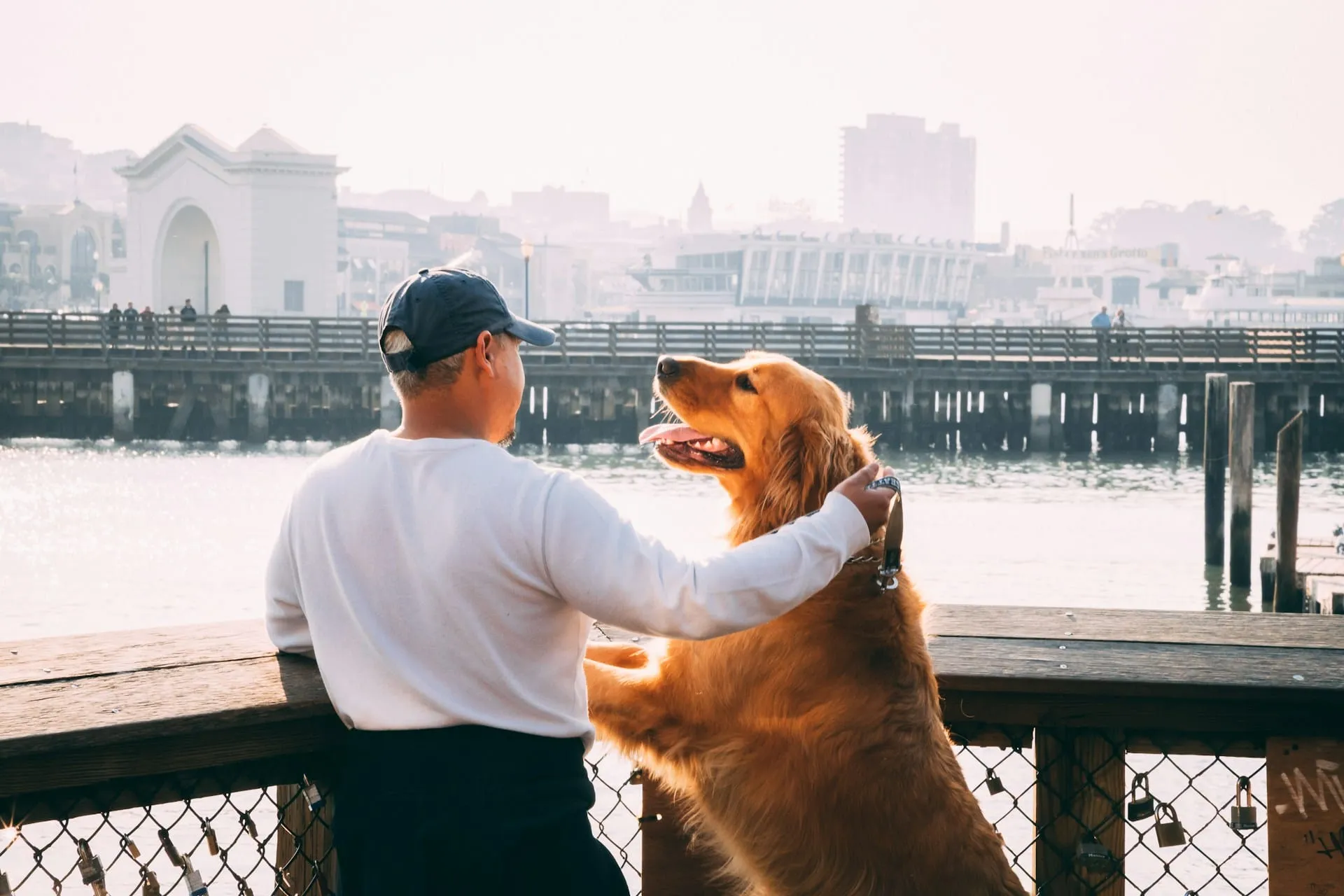
If you’re reading this, you’re likely watching your beloved senior dog navigate their golden years while struggling with a heartbreaking paradox: wanting to cherish every precious moment while constantly worrying about when those moments will end. You’re not alone in this struggle, and your feelings are completely valid.
At Love, Baxter, we understand this emotional tightrope walk intimately. The awareness that our senior dogs won’t be with us forever can sometimes overshadow the joy of simply being with them today. After supporting countless pet parents through this journey, we’ve learned that it’s possible to honor both the preciousness of time and the beauty of the present moment. You can love deeply while also finding peace.
This approach isn’t about denying reality or pretending that aging doesn’t happen. Instead, it’s about discovering how to let love lead the way, allowing yourself to experience the full richness of enjoying time with your senior dog without being paralyzed by anticipatory grief. We’ve found that when pet parents learn to balance awareness with acceptance, both they and their senior dogs experience greater happiness and connection.
Table of Contents
- 1Understanding Senior Dog Anxiety and End-of-Life Worries
- 2Why Senior Dogs Make the Most Loving Companions
- 3How to Enjoy Quality Time with Your Senior Dog Daily
- 4Creating Lasting Memories with Your Aging Dog
- 5Managing Pet Loss Anxiety While Your Dog Is Still Here
- 6When Senior Dog Worries Become Overwhelming
- 7Balancing Joy and Sadness in Your Senior Dog’s Golden Years
- 8Frequently Asked Questions about Enjoying Every Moment with Your Senior Dog
Understanding Senior Dog Anxiety and End-of-Life Worries
Anticipatory grief is real, and it’s exhausting. When you notice your dog sleeping more, moving a little slower, or needing help with stairs they once bounded up effortlessly, it’s natural for your mind to race toward future scenarios. This hypervigilance comes from a place of love, but it can rob you of the joy that’s available right now.
Many pet parents we work with find themselves constantly scanning for signs of decline, turning every slight change into a potential crisis. You might catch yourself holding your breath when they take a moment longer to get up, or feeling panic when they’re less interested in their favorite treat. This heightened awareness, while understandable, can create a state of chronic stress that affects both you and your dog.
Your senior dog is still very much alive and present. While their needs may be changing, they’re still the same loving companion who brings joy to your daily life. The challenge lies in learning to appreciate who they are now, rather than mourning who they used to be or fearing who they might become. We’ve seen transformative changes in families who shift their focus from what their dog can no longer do to celebrating what brings them joy today.
Take Sarah and her 13-year-old Golden Retriever, Murphy. Sarah spent months worrying about Murphy’s slowing pace until she realized she was missing the way he now savored every smell on their walks, taking time to truly experience his environment. This shift in perspective allowed her to enjoy their new, gentler routine rather than mourning their former hiking adventures.
Why Senior Dogs Make the Most Loving Companions
Senior dogs offer something uniquely beautiful that we’ve witnessed countless times through our community. There’s a depth of connection that often develops in these later years that many pet parents describe as profoundly meaningful. Your senior dog has settled into themselves completely, knowing your routines, your moods, and exactly how to comfort you on difficult days.
These are the years when many dogs become even more affectionate, seeking out gentle cuddles and quiet companionship. Their pace has slowed, which can actually create more opportunities for peaceful bonding. Instead of the energetic play sessions of their youth, you might find yourself enjoying long, leisurely walks or simply sitting together in comfortable silence.
Senior dogs teach us about presence in ways that younger dogs often cannot. They’re not worried about tomorrow’s walk or next week’s vet appointment. They’re focused on the warmth of the sun streaming through the window, the comfort of their favorite bed, or the simple pleasure of your hand stroking their fur. There’s wisdom in this approach to life that we can all learn from.
Their contentment with simple pleasures serves as a powerful reminder that happiness doesn’t require grand gestures or perfect health. Joy can be found in the smallest, quietest moments. We’ve heard from countless families who describe their senior dog years as some of the most meaningful of their relationship, despite or perhaps because of the awareness of time’s passage.
Consider Maria and her 14-year-old Beagle mix, Rosie. Maria initially felt sad that Rosie no longer wanted to play fetch, but she discovered that Rosie now preferred gentle morning brushing sessions and afternoon naps together on the porch. These new rituals became even more cherished than their previous active play sessions.
How to Enjoy Quality Time with Your Senior Dog Daily
Learning to stay present while enjoying time with your senior dog requires intentional practices that we’ve refined through years of supporting grieving families. These strategies help create space for joy while acknowledging the natural concerns that come with loving an aging companion.
Create New Routines That Celebrate Today
Adapting your activities to match your dog’s current abilities and interests opens up new possibilities for connection. If your once-energetic hiking companion now prefers shorter walks, embrace this change as an opportunity to explore your neighborhood more thoroughly. You might discover new favorite spots just around the corner that you never noticed during those fast-paced adventures.
Consider developing new rituals that work for both of you now. These might include gentle morning massages before breakfast, special afternoon rest sessions in the garden, or calming evening routines that include extra cuddle time. These new traditions can become just as meaningful as the old ones, sometimes even more so because they’re chosen specifically for this stage of life.
Focus on quality over quantity in all your interactions. A 10-minute walk where you’re both relaxed and present can be more fulfilling than a 30-minute walk filled with anxiety about whether they’re getting enough exercise. Let your dog set the pace, literally and figuratively, and you’ll often find that their wisdom guides you toward more meaningful experiences.
Practice Mindful Moments
Mindfulness isn’t just a concept we discuss: it’s a practical tool for anxiety management that transforms how families experience time with their senior dogs. When you feel worry creeping in, try grounding yourself in the current moment. Notice the weight of your dog against your leg, the rhythm of their breathing, or the way their ears perk up when they hear your voice.
Create small rituals throughout the day that anchor you in the present. This might be taking three deep breaths while your dog eats their breakfast, or spending a moment appreciating their unique personality quirks that make you smile. These micro-moments of mindfulness accumulate throughout the day, creating a foundation of presence that supports both you and your dog.
Use your senses to stay present and deepen your connection. The smell of your dog’s fur, the sound of their contented sighs, the feeling of their warm body next to yours: these sensory experiences are happening right now and deserve your full attention. We’ve found that families who practice sensory awareness report feeling more connected and less anxious about the future.
Focus on Comfort, Not Perfection
Your goal isn’t to reverse aging or prevent all discomfort, and recognizing this can be incredibly liberating. Instead, focus on maximizing your dog’s comfort and happiness within their current capabilities. This might mean adding orthopedic bedding, adjusting feeding heights, or creating ramps for easier access to favorite spots.
When you shift from trying to fix everything to simply making things better, you reduce pressure on both of you. Your dog doesn’t need to be their younger self to have a wonderful life: they need to be comfortable and loved as they are now. This perspective shift often brings immediate relief to families who have been struggling with feelings of helplessness.
Creating Lasting Memories with Your Aging Dog
Creating lasting memories with your senior dog doesn’t require elaborate planning or perfect circumstances. We’ve learned that the most treasured memories often emerge from ordinary moments when families focus on presence rather than performance.
Simple Daily Rituals
The most powerful memories often come from ordinary moments that might seem insignificant in the moment. You don’t need to plan elaborate adventures or check items off a bucket list. Some of the most treasured memories happen during quiet Tuesday afternoons or lazy Sunday mornings when you’re simply enjoying each other’s company.
Consider creating a memory journal where you write down small, beautiful moments as they happen. Entries might include observations like how your dog still chooses their favorite sunny spot by the window and looks completely content, or how they still get excited about dinner time with their little happy dance. These seemingly insignificant moments often become the ones families cherish most after their pet has passed.
Document their personality, not just their image. While photos are excellent, also write down the little things that make your dog unique. The way they greet you at the door, their favorite sleeping position, or how they respond to certain words. These personality quirks are just as worthy of preservation as their physical appearance and often provide the most comfort during times of loss.
Photo and Memory Keeping
Take photos without pressure or elaborate staging. Instead of forcing posed portraits, capture candid moments of everyday life. Your dog sleeping peacefully, enjoying a treat, or simply existing in their favorite space often becomes more meaningful than any professional photo session. These authentic images tell the real story of your life together.
Create opportunities for gentle documentation that don’t disrupt your regular routine. Keep your phone nearby during cuddle sessions or peaceful moments, but don’t let the desire to capture everything prevent you from experiencing it fully. The goal is to enhance your memories, not replace them with the stress of perfect documentation.
Think about David and his 12-year-old Border Collie, Scout. Instead of trying to recreate Scout’s younger days with frisbee photos, David began photographing Scout’s new favorite activities: watching birds from the window, gentle walks in the garden, and afternoon naps in sunbeams. These images became far more meaningful because they captured who Scout was in that moment, not who he used to be.
Managing Pet Loss Anxiety While Your Dog Is Still Here
Supporting yourself emotionally while enjoying time with your senior dog is crucial for both your wellbeing and theirs. Dogs are susceptible to our emotional states, so learning to manage anticipatory grief benefits everyone in the family.
Acknowledging Anticipatory Grief
It’s completely normal to feel sad about future loss while also feeling grateful for current joy. These emotions can coexist, and you don’t need to choose between them. Anticipatory grief is a natural response to loving someone whose time is limited, and acknowledging these feelings rather than fighting them often reduces their power over your daily experience.
Consider setting aside specific time for processing difficult emotions, rather than letting them color every interaction with your dog. This might be five minutes each morning where you acknowledge your fears and worries, followed by a conscious decision to focus on the present day. This compartmentalization helps prevent anticipatory grief from overwhelming the joy that’s available right now.
Remember that grief comes from love, and this love isn’t something to feel guilty about. The depth of your worry reflects the depth of your bond. This connection is something to honor by living fully in the time you have together, not something to minimize or push away.
Finding Support
You don’t have to navigate this journey alone, and seeking support is a sign of strength, not weakness. Connect with other senior dog parents who understand the unique challenges and joys of this life stage. Online communities, local pet groups, or conversations with understanding friends can provide valuable perspective and emotional support.
Consider speaking with a pet loss counselor or therapist who specializes in anticipatory grief. Professional support can help you develop coping strategies that allow you to enjoy your time together while also processing difficult emotions. Many families find that having professional guidance helps them feel more confident in managing their emotions.
When Senior Dog Worries Become Overwhelming
If anxiety about your senior dog’s future is preventing you from enjoying the present, it may be time for additional support. Chronic worry can actually impact your dog’s wellbeing, as they’re incredibly sensitive to our emotional states. Taking care of your mental health is part of taking care of them.
Develop a plan for managing anxiety spikes before they occur. This might include breathing exercises, calling a supportive friend, or engaging in calming activities with your dog. Having a strategy in place can help you feel more in control when difficult emotions arise, and your dog will benefit from your increased emotional stability.
Set boundaries around research and planning. While it’s natural to want to learn about senior dog care, endless internet searching about potential health issues can fuel anxiety rather than helping. Designate specific times for research and stick to reliable, professional sources. This prevents the constant worry cycle that can develop when every small change sends you down an internet rabbit hole.
Balancing Joy and Sadness in Your Senior Dog’s Golden Years
The goal isn’t to eliminate all worry or sadness about your senior dog’s aging process. Instead, the objective is to prevent these natural emotions from overwhelming the love and joy that are also present. You can acknowledge that time is precious while still allowing yourself to experience happiness and contentment.
Create space for all your feelings without judgment. Some days will be more complex than others, and that’s perfectly normal. On difficult days, be gentle with yourself and remember that feeling sad doesn’t mean you’re not grateful. Both emotions can exist simultaneously and are both valid responses to loving deeply.
Your senior dog’s golden years can be filled with deep connection, peaceful moments, and profound love. By learning to manage anticipatory grief while staying present, you create space for the full experience of loving a senior companion, including both the bittersweetness and the beauty.
At Love, Baxter, we believe that every day with our beloved companions is a gift worth celebrating. Your senior dog is still here, still loving you, still bringing meaning to your life. Honor that reality by showing up fully for the time you have together, worries and all.
The love you share doesn’t diminish because time is limited. If anything, it becomes more concentrated, more precious, and more powerful. Trust in that love to guide you through both the joy and the sadness of these golden years together.
Remember that you’re not just helping your dog age gracefully: you’re learning how to love deeply in the face of life’s natural cycles. That’s one of the most beautiful gifts our senior companions offer us. When we learn to balance awareness with acceptance, we honor both the reality of aging and the beauty of the present moment, creating space for the full experience of enjoying time with your senior dog.
Frequently Asked Questions about Enjoying Every Moment with Your Senior Dog
How do I stop constantly worrying about my senior dog’s future and enjoy our time together now?
Anticipatory grief is exhausting but completely normal when you love a senior dog. The key is learning to acknowledge these worries without letting them overwhelm every moment together. Set aside specific time each day (perhaps 5 minutes each morning) to process difficult emotions, then consciously decide to focus on the present. Practice grounding yourself in the present moment by noticing your dog’s breathing, the weight of them against you, or their contentment in simple activities. Chronic worry can actually impact your dog’s wellbeing since they’re sensitive to your emotional state. Consider speaking with a pet loss counselor who specializes in anticipatory grief, and connect with other senior dog parents who understand this unique challenge. The goal isn’t to eliminate all worry, but to prevent it from robbing you of the joy that’s available right now with your beloved companion.
My senior dog can’t do the activities we used to enjoy together. How do I find new ways to bond?
Embrace this change as an opportunity to discover new forms of connection rather than mourning what’s lost. If your former hiking companion now prefers shorter walks, use this time to explore your neighborhood more thoroughly and let them set the pace. Create new rituals that work for their current abilities: gentle morning massages, special afternoon rest sessions in the garden, or extended cuddle time. Focus on quality over quantity in all interactions; a 10-minute relaxed walk where you’re both present can be more fulfilling than a longer walk filled with anxiety. Senior dogs often become more affectionate and seek quiet companionship, which can create deeper bonding opportunities than the energetic activities of their youth. Let your dog’s wisdom guide you toward more meaningful, peaceful experiences that celebrate who they are now.
Should I be taking more photos and creating memories, or will that make me more anxious about losing them?
Document your life together without pressure or elaborate staging. Take candid photos of everyday moments: your dog sleeping peacefully, enjoying treats, or simply existing in their favorite spaces. These authentic images often become more meaningful than posed portraits because they capture your real life together. Consider keeping a memory journal where you write down small, beautiful moments and personality quirks that make your dog unique. The goal is to enhance your memories, not replace experiencing them with the stress of perfect documentation. Keep your phone nearby during peaceful moments, but don’t let the desire to capture everything prevent you from fully experiencing it. Focus on documenting their current personality and preferences rather than trying to recreate their younger days. This approach helps you stay present while creating meaningful keepsakes.
When should I be concerned that my anxiety about my senior dog is becoming unhealthy?
If anxiety about your dog’s future is preventing you from enjoying the present or affecting your daily functioning, it’s time for additional support. Warning signs include constantly scanning for signs of decline, turning every small change into a crisis, endless internet research about potential health issues, or chronic worry that doesn’t improve with self-care strategies. Set boundaries around research and planning: designate specific times for learning about senior care and stick to reliable sources to prevent anxiety spirals. Develop a plan for managing anxiety spikes, including breathing exercises, calling supportive friends, or engaging in calming activities with your dog. Consider professional help if worry becomes overwhelming, as therapists specializing in anticipatory grief can provide valuable coping strategies. Remember that taking care of your mental health is part of taking care of your dog, since they’re incredibly sensitive to your emotional state.
On this topic