







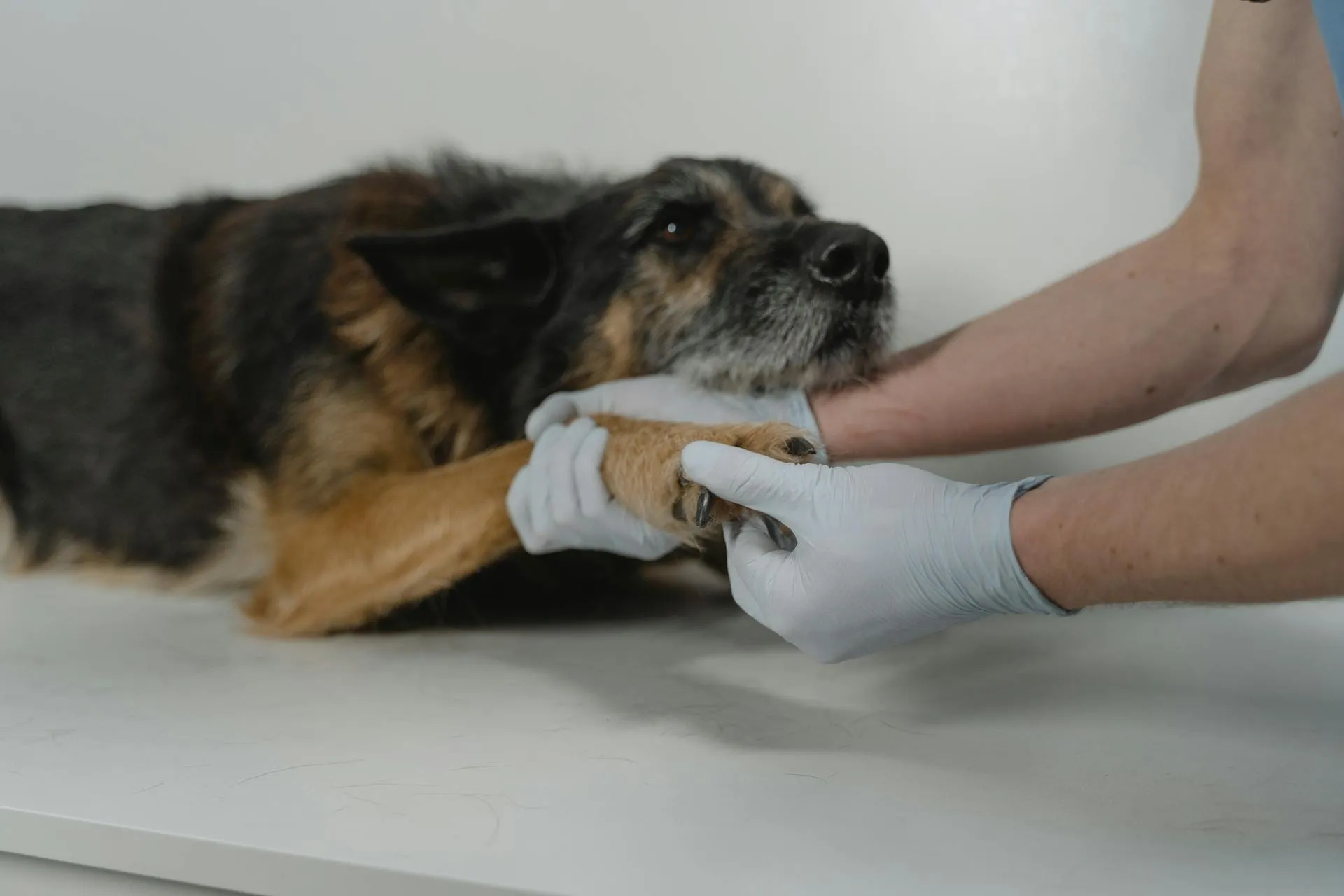
It’s 2 a.m. Your dog is acting strange, or your cat won’t eat. You’re awake, anxiety rising, wondering: emergency vet now, or can it wait until morning?
This is one of the hardest decisions pet owners face, especially in the middle of the night when you’re scared, tired, and alone with your worry. There’s no shame in feeling torn. You love your pet. You want to do right by them. And you also don’t want to overreact or waste money on an emergency visit that wasn’t actually necessary. Both of those things matter. Both are valid.
The truth is that some signs really do require immediate emergency care. Others can safely wait. And then there’s a big middle ground where the right call depends on your pet’s specific situation, their history, and factors only you can assess in the moment. This guide walks you through all three categories. We’ll give you a clear framework for making this decision with less anxiety and more confidence, and we’ll address the emotional weight of being the person who has to make this call.
Because making this choice matters. And so does taking care of yourself as you make it.
Key Takeaways
- Life-threatening emergencies like difficulty breathing, collapse, suspected poisoning, uncontrolled bleeding, and seizures always require immediate veterinary care, no exceptions
- Common signs like mild limping, single vomiting episodes in otherwise normal pets, sneezing, and minor cuts can usually wait until your regular vet is open
- The middle ground signs (repeated vomiting, lethargy, abdominal pain, straining to urinate) require you to assess your pet’s overall condition and know when one factor tips the decision toward emergency care
- Checking your pet’s gum color, breathing rate, responsiveness, and pain level gives you concrete data to guide your decision
- The anxiety and guilt you feel about making this call is real and deserves attention, both in the moment and afterward
- Grief and anticipatory grief often follow emergency vet visits, and getting support is part of caring for yourself as a caregiver
Table of Contents
- 1Signs That Always Require Emergency Vet Care
- 2Signs That Can Usually Wait Until Morning
- 3Symptoms That Could Go Either Way: What to Watch For
- 4How to Assess Your Pet Before You Call the Emergency Vet
- 5What to Do While You’re on Your Way to the Emergency Vet
- 6The Emotional Weight of Making This Call at 2 a.m.
- 7After the Emergency Vet Visit: Processing What Happened
- 8Frequently Asked Questions About When to Go to the Emergency Vet
Signs That Always Require Emergency Vet Care
Some things are non-negotiable. If your pet shows any of these signs, your decision is made for you. Get them to an emergency vet now. Don’t wait for morning. Don’t call your regular vet first to ask if you should go. Go.
- Difficulty breathing: rapid, shallow, noisy, or open-mouth breathing in cats, wheezing, gurgling, or signs of panic about breathing.
- Collapse or unconsciousness: Your pet loses consciousness, faints, or cannot stand. Even if they come around, this needs immediate emergency evaluation.
- Suspected poisoning: You know or suspect they ingested something toxic: chocolate in large amounts, xylitol, antifreeze, human medications, rodent poison, certain plants, or anything you’re not sure about. Even if they seem fine right now, call the emergency vet immediately.
- Uncontrolled or severe bleeding: Bleeding that won’t stop after 5-10 minutes of pressure. Bleeding from the mouth, nose, or rear end. Coughing up blood. Any deep wound.
- Seizures: Convulsing, loss of consciousness, involuntary muscle contractions. Even one seizure warrants emergency evaluation. Multiple seizures back-to-back are a medical crisis.
- Inability to urinate or defecate: This is especially true in male cats. Cats who are straining but producing little or no urine need emergency care immediately. This can cause kidney damage and become life-threatening within hours.
- Pale, white, or blue gums: Gums should be pink. Pale gums suggest shock or severe anemia. This is urgent.
- Extreme pain: Your pet is crying out, refusing to move, won’t let you touch them, or showing signs of severe distress. Extreme pain sometimes signals a serious internal problem.
- Trauma or suspected trauma: Hit by a car, severe fall, attacked by another animal. Even if they seem okay, internal injuries may not be obvious for hours.
- Bloat or suspected gastric dilatation-volvulus (GDV): Distended, hard, painful abdomen. Retching or trying to vomit without producing anything. Extreme anxiety or restlessness. Rapid heartbeat. This is a surgical emergency. Large-breed dogs are at higher risk, but any dog can bloat.
- Prolonged unconsciousness: Your pet won’t wake up or seems unresponsive for more than a few minutes. This is different from normal sleep and requires emergency care.
- Suspected broken bones or severe limb injury: Inability to put weight on a limb, severe swelling, or an obviously deformed leg or joint.
- Persistent or projectile vomiting: If your pet cannot keep anything down and is vomiting repeatedly over several hours, this warrants emergency evaluation, especially in young or elderly pets or those with pre-existing conditions.
- Inability to move hind legs: Paralysis or sudden loss of back leg function is a sign of spinal injury or other serious neurological problems and needs immediate care.
If your pet shows any of these signs, do not wait. Do not second-guess yourself. Go to the emergency vet now.
Signs That Can Usually Wait Until Morning
Not every health concern is urgent. Many things that worry us in the moment are manageable and can safely wait for your regular vet appointment or for morning hours at an emergency clinic. If your pet shows only these signs and is otherwise acting normally, eating, drinking, and responsive, you can usually wait.
- Mild limping without weight loss: Your pet is favoring one leg but still walking and putting some weight on it. They’re moving around normally otherwise. This can wait unless swelling develops or pain worsens.
- Minor cuts or scrapes: Small cuts that aren’t bleeding heavily or gaping open. You can clean these at home and monitor them.
- A single episode of vomiting in an otherwise normal pet: One time is often nothing. If your pet ate something unusual or too quickly, they may just need their stomach to settle. Monitor for more episodes.
- Mild diarrhea: A loose stool or two, especially if your pet recently ate something new or had a diet change. Monitor stool consistency over the next 24 hours.
- Sneezing, mild coughing, or runny nose: Common cold symptoms in pets can wait for a regular appointment unless accompanied by fever, difficulty breathing, or severe lethargy.
- Minor eye discharge or mild conjunctivitis: A little discharge or redness without vision problems or severe pain can usually wait. If it worsens or the eye swells shut, that’s different.
- Mild itching or small areas of hair loss: Not an emergency unless your pet is chewing so severely that they’re creating bleeding wounds or unless you suspect a serious parasitic or fungal infection based on other symptoms.
- Not eating for one meal (in otherwise healthy adult pets): If your pet skipped dinner but is otherwise acting normal, drinking water, and alert, you can monitor overnight. If they still won’t eat the next morning or show other signs of illness, then call your regular vet.
- Mild swelling of the face, mouth, or tongue without difficulty breathing: If breathing is normal and they’re not in distress, this can wait for a morning appointment, though you’ll want to monitor closely in case it worsens.
- Behavioral changes without physical signs: If your pet is just quieter than usual or sleeping more, but eating, drinking, and going to the bathroom normally, this warrants a vet visit but not necessarily an emergency visit.
The key pattern here is this: if your pet is eating, drinking, breathing normally, responsive to you, and the problem is localized to one area or mild, you can almost always wait. Monitor them closely, but waiting until morning is okay.
Symptoms That Could Go Either Way: What to Watch For
This is where it gets hard. Many concerning signs don’t fit neatly into “emergency now” or “wait until morning.” In these situations, you need to assess your pet’s individual history, age, and the specific combination of symptoms they’re showing. No single sign automatically means an emergency. Instead, you’re weighing factors and making a reasoned call.
Repeated or Severe Vomiting
A single vomiting episode can wait. But vomiting that happens more than once or twice warrants more thought. Ask yourself: Is your pet still interested in water and food? Are they acting normally between episodes? How old are they? Do they have a history of stomach problems or underlying health conditions?
A young, healthy dog who vomited once at dinner and again an hour later but is otherwise bouncing around and begging for water can probably wait until morning. But a senior cat who has vomited three times in the last 4 hours, even if they’re otherwise acting relatively okay, may need emergency evaluation. Older pets and those with kidney disease, diabetes, or other conditions are at higher risk for serious problems. Kittens and puppies also need a lower threshold for emergency care.
If your pet is vomiting and unable to keep water down, that warrants emergency care sooner rather than later, as dehydration can compound other problems.
Lethargy or Unusual Stillness
There’s normal tired (sleeping most of the day, which is fine for many pets), and then there’s wrong tired (unresponsive, unable to be roused, showing no interest in anything). If your pet is just sleeping more, you can monitor them. If they won’t wake up when you call them, won’t eat, and seem confused or disoriented, that’s an emergency sign.
The key is responsiveness. If your pet can be roused and engages with you once they’re awake, it’s less urgent than if they’re truly unresponsive. A pet who is lethargic and also showing other signs (pale gums, difficulty breathing, severe pain) needs immediate care. A pet who is just quiet and sleeping but otherwise seems fine can probably wait.
Abdominal Pain or Distension
A slightly hard or bloated abdomen in a pet who is otherwise acting okay might be due to constipation or gas, and can wait until a morning appointment. But a pet who is in visible pain, refusing to move, guarding their belly, or has a very distended, hard abdomen needs emergency care. The difference is in degree and behavior. Mild discomfort that your pet can work through is different from severe pain that prevents them from functioning.
If you press gently on your pet’s abdomen and they yelp or snap, that’s a sign of significant pain. If they seem uncomfortable but can still lie down and rest, it’s less urgent but still worth a vet visit soon. If they can’t get comfortable at all, that’s emergency territory.
Straining to Urinate or Defecate
In male cats, any straining at the litter box is a potential emergency. They may be blocked, and a blocked cat can develop kidney failure and die within 24-48 hours. If a male cat is straining and producing little to no urine, go to the emergency vet immediately. If a male cat is straining and still producing a normal stream, that’s still worth a vet visit, but it is slightly less immediately urgent.
For dogs and female cats, straining that produces results is usually not an emergency. Straining that produces nothing (or only tiny amounts) for more than a few hours warrants a call to the vet, and if your pet is also in pain, that’s emergency care.
Difficulty Swallowing or Drooling Excessively
A little drool is normal for some pets. But excessive drooling, gagging, or difficulty swallowing can signal a foreign object, oral tumor, or other serious problem. If your pet is drooling, has trouble eating, or seems unable to swallow, call the emergency vet. If it’s just extra drooling without other signs, you can call your regular vet in the morning, but mention it promptly.
Difficulty Walking or Sudden Weakness
Mild limping is different from sudden-onset weakness in all four legs or hind leg paralysis. If your pet suddenly can’t walk or coordinate their movements, that’s urgent. If they’re just sore and moving slowly but still mobile, that’s less of an immediate emergency but still warrants a vet visit. The key difference is in the degree and speed of onset. Gradual weakness over days is different from sudden collapse or inability to move.
For these middle-ground signs, the pattern that pushes you toward emergency care is this: multiple symptoms together, rapid worsening, your pet’s age or health history, or your gut feeling that something is seriously wrong. Trust yourself. You know your pet. If you’re genuinely worried and multiple factors point toward something being wrong, it’s better to go in and be reassured than to wait and miss something serious.
How to Assess Your Pet Before You Call the Emergency Vet
When you’re panicked at 2 a.m., it helps to have a simple framework for assessing your pet beyond just “they seem sick.” Here are the concrete, observable things you can check that will give you real information to guide your decision.
Check Their Gum Color
Gently lift your pet’s lip and look at their gums. They should be pink. Pink means good blood circulation. Pale, white, or grayish gums mean your pet is in shock or has severe anemia and needs emergency care right now. Bright red gums can sometimes signal an infection or exposure to toxins. If you’re not sure, it’s better to go in and have the vet check it than to leave it.
Check Their Breathing Rate and Effort
Sit quietly and watch your pet breathe. A resting dog should take 10-30 breaths per minute. A cat should take 20-30 breaths per minute. Count for 15 seconds, then multiply by 4 to get breaths per minute. If they’re breathing much faster than that at rest, or if breathing looks hard or labored, that’s a sign to go in. Noisy breathing, wheezing, or any sign that they’re working to breathe means an emergency.
Check Their Responsiveness
Call your pet’s name. Do they respond? Can you wake them if they’re sleeping? Do they seem to recognize you and engage with you? A pet who is genuinely unresponsive or confused needs emergency care. A pet who is sleeping but rouses when you call them is less urgent.
Check for Signs of Pain
Does your pet react when you gently touch an injured area? Are they guarding a particular part of their body? Can they move and shift positions, or are they stuck in one place? Extreme pain, especially when combined with other symptoms, is an emergency sign. Mild discomfort they can move through is less urgent.
Check Their Hydration
Gently pull up the skin on the back of your pet’s neck. If it snaps back down immediately, they’re hydrated. If it tents up and slowly sinks back down, they’re dehydrated. Severe dehydration, especially combined with vomiting, diarrhea, or other symptoms, warrants emergency care.
These simple checks give you concrete data instead of just vague worry. Use them to help you decide. If multiple things are off (fast breathing, pale gums, and extreme pain all together), that’s an emergency. If only one thing is slightly off and everything else is normal, you have more room to wait.
What to Do While You’re on Your Way to the Emergency Vet
You’ve made your decision. You’re going in. Now what? Here’s what helps.
First, keep your pet as calm and comfortable as possible during the car ride. A stressed pet’s condition can worsen. If your pet is in severe pain, minimize handling. If they’re conscious and able to drink, you can offer small amounts of water, but don’t force them to drink. If they might vomit, have towels ready.
Call the emergency vet on your way if you can do so safely (or have someone else drive and call). Let them know you’re coming, what symptoms your pet is showing, and how long it will be until you arrive. This gives them a chance to prepare and move more quickly once they’re there.
Bring your pet’s medical records if you have time to grab them, or at least be ready to tell the vet when your pet last ate and urinated, what medications they’re on, and any relevant medical history. Write down a timeline of symptoms if you can: what time did this start? How has it progressed?
If your pet is severely injured or in shock, keep them warm. Wrap them in a blanket if possible. Keep your voice calm and your movements slow. They can pick up on your panic, so even if you’re terrified (which is okay), try to project calm for their sake.
And if you can, have someone with you. Making this drive alone at 2 a.m. while you’re scared is hard. A second person to comfort your pet, navigate, or just be there with you makes it easier. Call a friend, family member, or trusted neighbor if you need to. Most people are willing to help with a pet emergency.
The Emotional Weight of Making This Call at 2 a.m.
We need to talk about the part that nobody really prepares you for: how much it costs you emotionally to be the person making this decision.
At 2 a.m., you’re tired. You’re scared. You’re alone with your worry. You’re second-guessing every choice. You’re thinking about money. You’re thinking about being wrong. You’re catastrophizing about worst-case scenarios. You’re also probably feeling guilty, no matter what you decide. If you go in, maybe it wasn’t a real emergency, and you’ve wasted hundreds of dollars. If you wait, you might miss something that will get worse. There’s no winning move in this scenario. There’s only the choice that feels like the least bad one at the time.
Here’s what we want you to know: that guilt and anxiety are real, and they’re also nearly universal among pet owners who love their animals. You’re not wrong to feel them. And you’re also not failing at pet ownership by struggling with this decision.
The fact that you’re even here, reading a guide about when to go to the emergency vet, means you care deeply about your pet’s wellbeing. You’re trying to do the right thing. You’re taking responsibility for a life that depends on you. That’s the opposite of failing. That’s love.
Sometimes you’ll decide to go in, and the vet will say it was just a minor issue. That’s not a wasted trip. That’s peace of mind, and peace of mind matters. Sometimes you’ll wait, and your pet will be fine the next morning, and you’ll feel relieved. Both of those are acceptable outcomes. And sometimes the emergency vet will catch something serious that you absolutely needed them to catch. All of these are the price of being responsible for another living being.
What you don’t have to do is be perfect. You don’t have to make the right choice every time. You have to make the best choice you can with the information you have in a scary moment. That’s all anyone can do.
If you need support in processing the anxiety or fear around these decisions, the Love, Baxter directory connects you with counselors and grief specialists who understand pet loss and the emotional side of being a caregiver. Many of them work with people who are managing ongoing anxiety about their pet’s health. You don’t have to wait for a crisis. You can reach out now if you’re carrying this weight.
After the Emergency Vet Visit: Processing What Happened
The emergency vet visit is over. Your pet is either at home or in the hospital. The immediate crisis has passed. And now you’re left with what comes after.
Many people expect to feel relieved once the emergency is over. And sometimes you do. But sometimes you feel something more complicated: a shaky feeling, a sense of trauma, guilt about decisions you made, gratitude mixed with anger at how much the visit cost, or fear that it will happen again.
Some pet owners experience anticipatory grief after an emergency vet visit, especially if their pet is older or has a chronic condition. The experience has made you aware, in a new way, of how fragile life is. Your pet’s life. Your own. It’s a confrontation with mortality that stays with you.
This is normal. This is real. And it deserves attention.
If your pet had a serious diagnosis after the emergency visit, or if your pet didn’t make it, you’re not just dealing with a medical situation. You’re grieving. You’re processing fear. You might be managing guilt about things you could or couldn’t have done. All of that is legitimate and worth taking seriously.
Some questions to ask yourself in the days after an emergency: How am I actually feeling? Do I need to talk to someone about what happened? Is there a specific fear that keeps coming back? Do I feel prepared if this happens again? Do I need a different plan going forward?
And if your pet is home recovering, you’re also serving as the caregiver. That’s its own kind of emotional and physical work. You’re staying up late checking on them. You’re managing medications. You’re monitoring for complications. You’re hoping they get better. You’re also scared they won’t. That’s a lot to carry.
If your vet has already diagnosed parvovirus, our guide to what to do when your dog has parvo covers treatment and the days ahead.
Grief support exists for these moments. If you’re struggling with what happened, with the loss of a pet, with anticipatory grief, or with the emotional aftermath of an emergency, that support is for you. You don’t have to have lost a pet yet to deserve help processing these feelings. You don’t have to be falling apart to reach out. You just have to be human and love your pet. That’s enough.
Frequently Asked Questions About When to Go to the Emergency Vet
Should I go to the emergency vet if my dog is vomiting but still acting normal and eating?
One episode of vomiting in an otherwise normal dog can usually wait until morning. Watch for another episode. If your dog vomits again, stops eating, or becomes lethargic, call the vet. If your dog is a puppy, senior, or has pre-existing health conditions, lower that threshold. If you’re offering food and they’re genuinely refusing it (rather than just eating more slowly), that suggests the need for emergency care sooner.
My cat hasn’t eaten in 24 hours but seems alert and is drinking water. Is this an emergency?
A cat not eating for 24 hours warrants a vet visit, but it’s not necessarily an emergency if your cat is alert, drinking water, and using the litter box normally. Call your regular vet first thing in the morning. However, if your cat stops drinking water, becomes lethargic, or shows signs of pain, seek emergency care. Cats are prone to hepatic lipidosis (fatty liver disease) if they don’t eat, so don’t let this go on for more than 24-48 hours without professional evaluation.
How do I know if my pet’s limping is serious enough for the emergency vet versus waiting for a regular appointment?
Mild limping, where your pet is still putting some weight on the leg, can wait for a regular appointment. Severe limping, where your pet won’t touch the leg to the ground, or limping combined with severe swelling, deformity, or obvious pain, requires emergency care. If your pet was hit by a car or suffered major trauma and then started limping, go to the emergency vet even if they’re walking. Internal injuries aren’t always immediately obvious.
What should I do if I’m unsure whether my pet’s symptoms require emergency care?
Call your regular vet’s after-hours line or the emergency vet directly and describe what you’re seeing. Many vets are happy to give you guidance over the phone about whether your pet needs to come in. Describe specific symptoms, not just “my pet seems sick.” Tell them your pet’s age, what they’ve eaten, whether they’ve had access to anything unusual, and what you’ve observed about their behavior. Give the vet data, not just your worry. That usually helps them help you.
Is it ever wrong to take my pet to the emergency vet if I’m not sure whether it’s serious?
No. If you’re genuinely concerned, a vet visit for peace of mind is not a wasted trip. You might pay for an exam that provides reassurance rather than a diagnosis, and that is okay. Your pet’s safety and your own peace of mind both matter. The only thing that would be wrong is to ignore signs of a genuine emergency to avoid the cost, and we hope you won’t do that. If cost is the barrier, talk to the emergency vet about payment plans or about which tests or treatments are most critical. Many will work with you.
On this topic